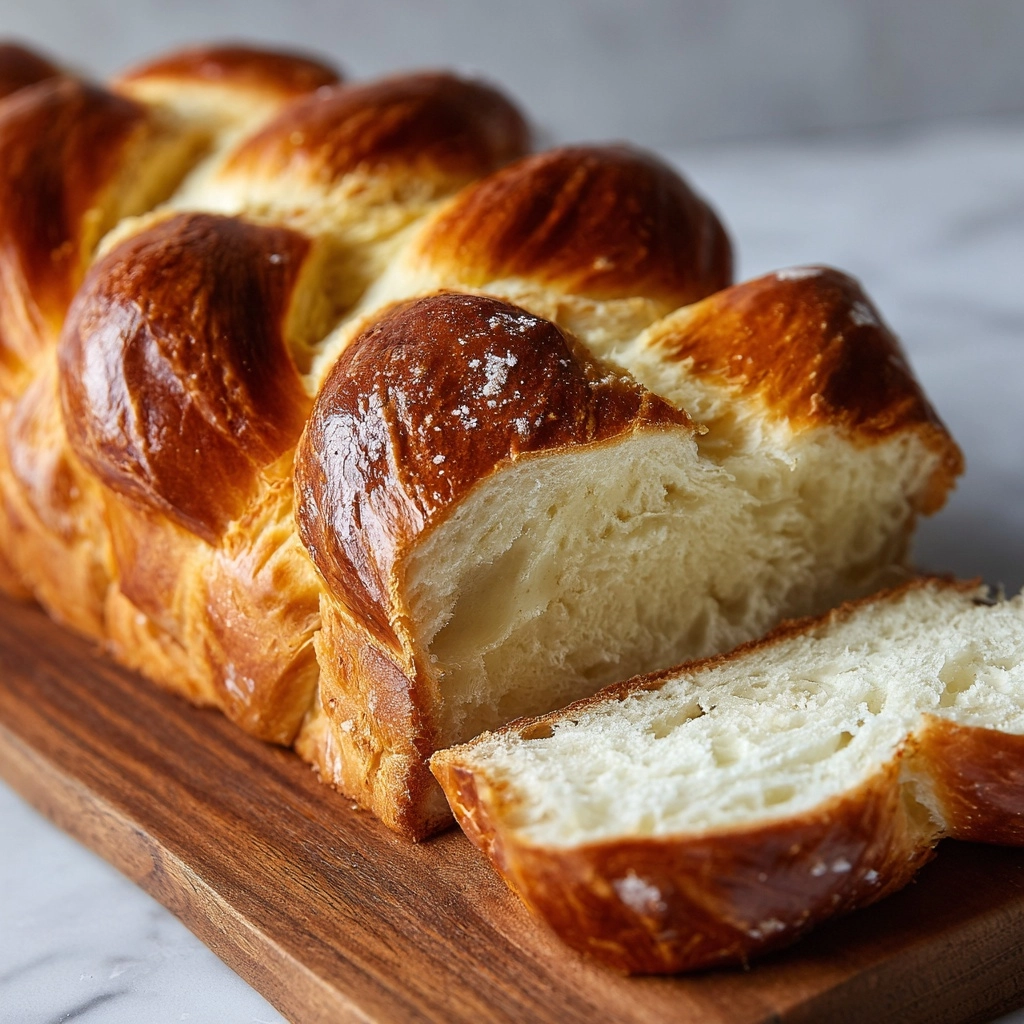
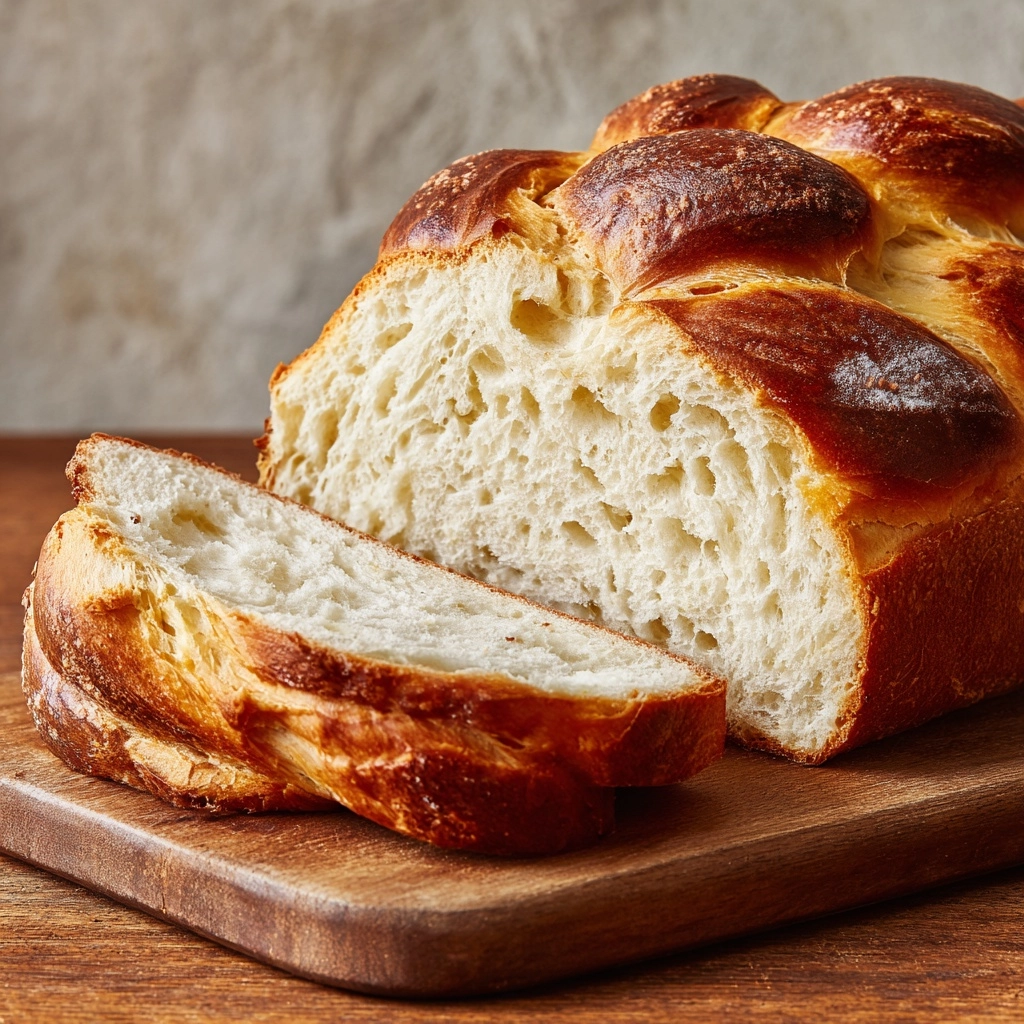
If you’re craving a bakery-quality treat that feels warm and welcoming with every bite, this Soft Fluffy French Bread Recipe is your new best friend. Picture a crust that’s delicately golden and just a touch crisp, giving way to a pillow-soft, airy crumb that practically melts in your mouth. The magic of this recipe lies in its simplicity and technique, transforming a few humble ingredients into a loaf so tender and satisfying, it’s perfect for everything from sandwiches to simple buttered toast. Trust me, once you try this Soft Fluffy French Bread Recipe, you’ll wonder why you ever bought store-bought again.
Ingredients You’ll Need
The beauty of this bread is how straightforward the ingredients are, yet each plays a crucial role in creating the perfect texture, flavor, and color. Using bread basics you likely have at home, you’ll see how these simple components come together for luscious results.
- 4 cups all-purpose flour: This forms the structure and gives you that soft, chewy texture.
- 1 tablespoon sugar: Feeds the yeast for a nice rise and subtly sweetens the bread.
- 2 ¼ teaspoons active dry yeast (1 packet): The natural leavener that makes the dough airy and fluffy.
- 2 teaspoons salt: Enhances flavor and balances sweetness, while strengthening dough gluten.
- 1 ½ cups warm water (110°F): Activates the yeast and hydrates the flour for a tender crumb.
- 2 tablespoons olive oil: Adds richness and keeps the bread moist and soft.
- 1 tablespoon melted butter (optional, for brushing): Creates a shiny, tender crust for that perfect finishing touch.
How to Make Soft Fluffy French Bread Recipe
Step 1: Activate the Yeast
Begin by mixing warm water, sugar, and yeast in a large bowl or your stand mixer’s bowl. Let it rest for 5 to 10 minutes until it foams up; this frothy sign means your yeast is active and ready to work its magic in the dough.
Step 2: Mix and Form Dough
Next, add olive oil, salt, and 3 cups of the flour to your yeast mixture. Stir until combined, then gradually incorporate the remaining flour. The goal is a soft, slightly tacky dough that isn’t too sticky or dry—this balance is what leads to softness inside the bread.
Step 3: Knead the Dough
Knead by hand or with a dough hook for about 8 to 10 minutes until the dough is smooth and elastic. This step develops gluten, the protein that gives your bread the chewiness and volume you crave in a fluffy French loaf.
Step 4: First Rise
Place the dough in a lightly oiled bowl, cover it with a towel or plastic wrap, and let it rise in a warm spot until it doubles in size—around an hour. This slow fermentation is essential for flavor depth and a soft crumb.
Step 5: Shape the Loaf
Punch down your dough to gently remove air bubbles, then flatten it into a rectangle on a floured surface. Roll it up tightly from the long edge, pinch the seams and ends closed, and place your loaf on a parchment-lined baking sheet. Cover and let it rise again for 30 to 40 minutes for that additional fluffiness.
Step 6: Preheat and Slash
While your dough takes its final rise, preheat the oven to 375°F (190°C). Before baking, make 2 to 3 shallow diagonal slashes on top of the loaf to allow steam to escape and create that classic French bread look.
Step 7: Bake to Perfection
Bake the loaf for 25 to 30 minutes until the crust is golden brown and it sounds hollow when tapped on the bottom. For an irresistible finish, brush the warm bread with melted butter which seals in moisture and adds a soft sheen to the crust. Allow it to cool slightly before slicing to keep its fluffy integrity intact.
How to Serve Soft Fluffy French Bread Recipe
Garnishes
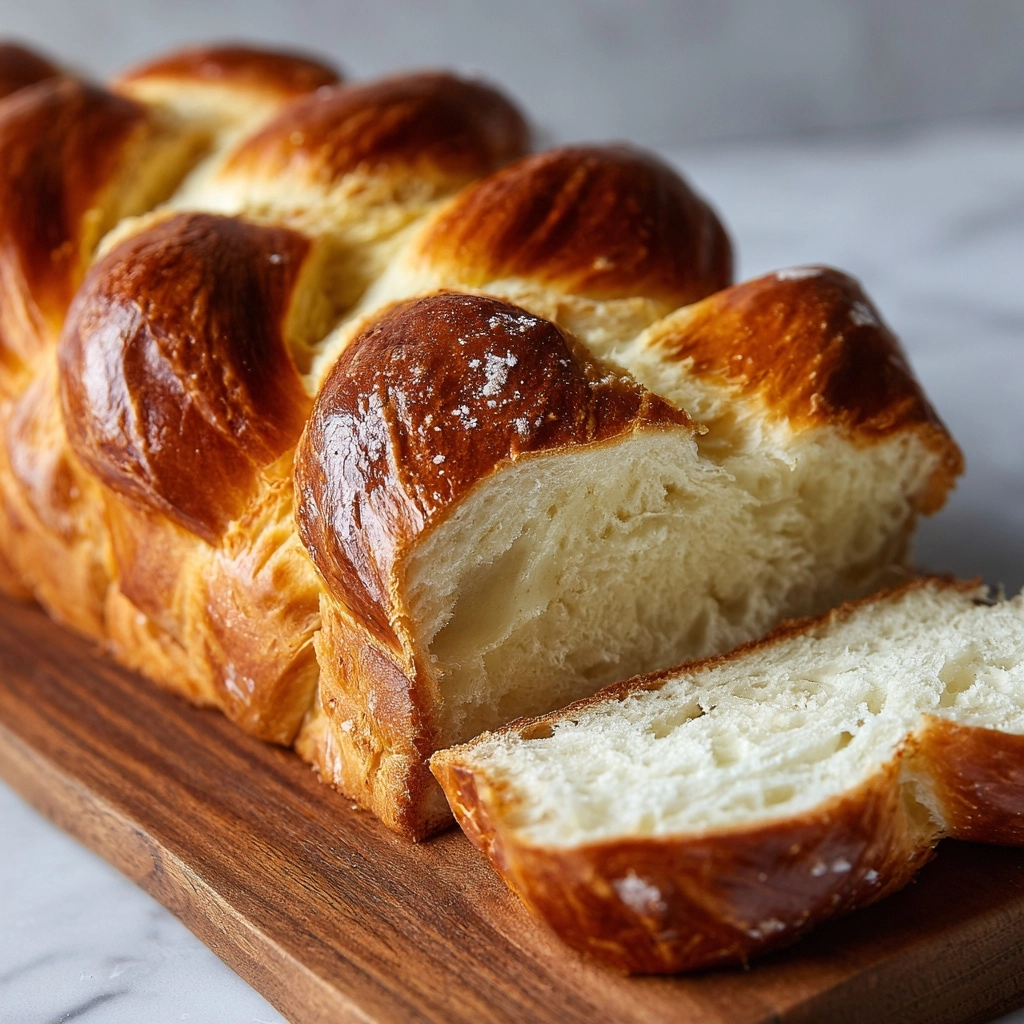
While this bread shines on its own, a simple brush of melted butter or a sprinkle of coarse sea salt right after baking can elevate the experience. Fresh herbs like rosemary or thyme added to the butter before brushing create a fragrant twist that’s subtle but sensational.
Side Dishes
This Soft Fluffy French Bread Recipe pairs beautifully with almost anything. Think warm soups and stews, creamy cheeses, or vibrant salads. It’s also perfect for soaking up sauces from dishes like coq au vin or serving alongside a charcuterie board for a crowd-pleasing appetizer.
Creative Ways to Present
Take this bread beyond slices by turning it into open-faced sandwiches, garlic toasts for parties, or even stuffing boats filled with your favorite toppings. If you’re feeling fancy, hollow out the loaf and use it as an edible bread bowl for dips or thick chowders—your guests will be impressed and delighted.
Make Ahead and Storage
Storing Leftovers
To keep your French bread as soft and fresh as when it came out of the oven, store it in a paper bag or loosely wrapped in a kitchen towel at room temperature. Avoid plastic bags, which trap moisture and make the crust soggy. Fresh bread is best enjoyed within two days for optimal texture and flavor.
Freezing
If you want to make a loaf ahead or save leftovers, freezing is your friend. Wrap the bread tightly in plastic wrap, then place it in a freezer-safe bag. It freezes beautifully for up to 2 months. When you’re ready, thaw the loaf overnight at room temperature for soft, fresh bread on demand.
Reheating
To revive that fresh-from-the-oven softness and crust, warm the loaf in a preheated 350°F oven for about 10 minutes. You can also sprinkle a little water on the crust before heating to create steam and refresh the bread’s texture in a pinch.
FAQs
Can I substitute active dry yeast with instant yeast in this Soft Fluffy French Bread Recipe?
Yes, instant yeast can be used in place of active dry yeast. It doesn’t require proofing; just mix it directly with the dry ingredients. Use about 25% less instant yeast than active dry yeast for best results.
Why is my bread not fluffy, but dense?
If your bread turns out dense, it might be due to under-kneading, not enough rise time, or water temperature that was too hot or too cold affecting yeast activity. Ensuring proper kneading and letting the dough double in size during rises helps develop the fluffiness.
Can I make this Soft Fluffy French Bread Recipe gluten-free?
This recipe relies heavily on gluten to create its texture, so simply swapping flours won’t give the same soft and fluffy result. There are specialized gluten-free bread recipes best suited if you need to avoid gluten.
How do I know when the bread is fully baked?
A golden crust and a hollow sound when you tap the bottom of the loaf are good indicators the bread is done. If unsure, an internal temperature of around 190°F confirms it’s fully baked without being dry.
Can I add herbs or cheese to the dough?
Absolutely! Adding finely chopped fresh herbs or shredded cheese into the dough before kneading can create delicious variations. Just be mindful not to add too much moisture which could affect the dough’s texture.
Final Thoughts
There’s something truly special about baking your own bread, and this Soft Fluffy French Bread Recipe makes it accessible, rewarding, and downright delicious. Whether you’re a beginner or an experienced baker, you’ll find that this loaf offers comforting flavors and a texture that invites endless enjoyment. So, don’t wait—grab your ingredients, roll up your sleeves, and bring the joy of fresh, homemade French bread into your kitchen!
Print
Soft Fluffy French Bread Recipe
- Prep Time: 15 minutes
- Cook Time: 30 minutes
- Total Time: 1 hour 45 minutes
- Yield: 1 large loaf
- Category: Bread
- Method: Baking
- Cuisine: French
- Diet: Vegetarian
Description
This Soft Fluffy French Bread recipe yields a tender, airy loaf with a golden crust, perfect for sandwiches, toast, or enjoying fresh. Made from simple ingredients and baked to perfection, this classic French bread is easy to prepare and offers a delightful homemade touch to any meal.
Ingredients
For the Dough
- 4 cups all-purpose flour, plus more as needed
- 1 tablespoon sugar
- 2 ¼ teaspoons active dry yeast (1 packet)
- 2 teaspoons salt
- 1 ½ cups warm water (110°F)
- 2 tablespoons olive oil
For Finishing
- 1 tablespoon melted butter (for brushing, optional)
Instructions
- Activate the yeast: In a large mixing bowl or stand mixer, combine the warm water, sugar, and yeast. Let the mixture sit for 5–10 minutes until it becomes foamy, indicating the yeast is active.
- Mix the dough: Add olive oil, salt, and 3 cups of the flour to the yeast mixture. Mix until combined, then gradually incorporate the remaining flour until a soft, slightly tacky dough forms.
- Knead the dough: Knead the dough by hand or with a dough hook for 8–10 minutes until it becomes smooth and elastic.
- First rise: Place the dough in a lightly oiled bowl, cover with a towel or plastic wrap, and let it rise in a warm spot for 1 hour or until it doubles in size.
- Shape the loaf: Punch down the risen dough and transfer it onto a lightly floured surface. Flatten the dough into a rectangle and roll it tightly from the long end. Pinch the seam and ends closed carefully.
- Second rise: Place the shaped loaf on a parchment-lined baking sheet, cover loosely, and let it rise again for 30–40 minutes.
- Preheat the oven: While the dough is rising, preheat your oven to 375°F (190°C).
- Score the loaf: Using a sharp knife or razor blade, make 2–3 shallow diagonal slashes across the top of the loaf to allow it to expand while baking.
- Bake: Bake the loaf for 25–30 minutes or until the crust is golden brown and the bread sounds hollow when tapped.
- Optional finishing: Remove the bread from the oven and brush the warm loaf with melted butter for a soft, glossy crust.
- Cool and serve: Let the bread cool slightly before slicing and serving.
Notes
- For an extra fluffy texture, allow the dough to rise slowly in the refrigerator overnight.
- To create baguette shapes, divide the dough into two portions and form thinner loaves.
- This French bread is excellent for making sandwiches, toast, or simply enjoyed fresh with butter.