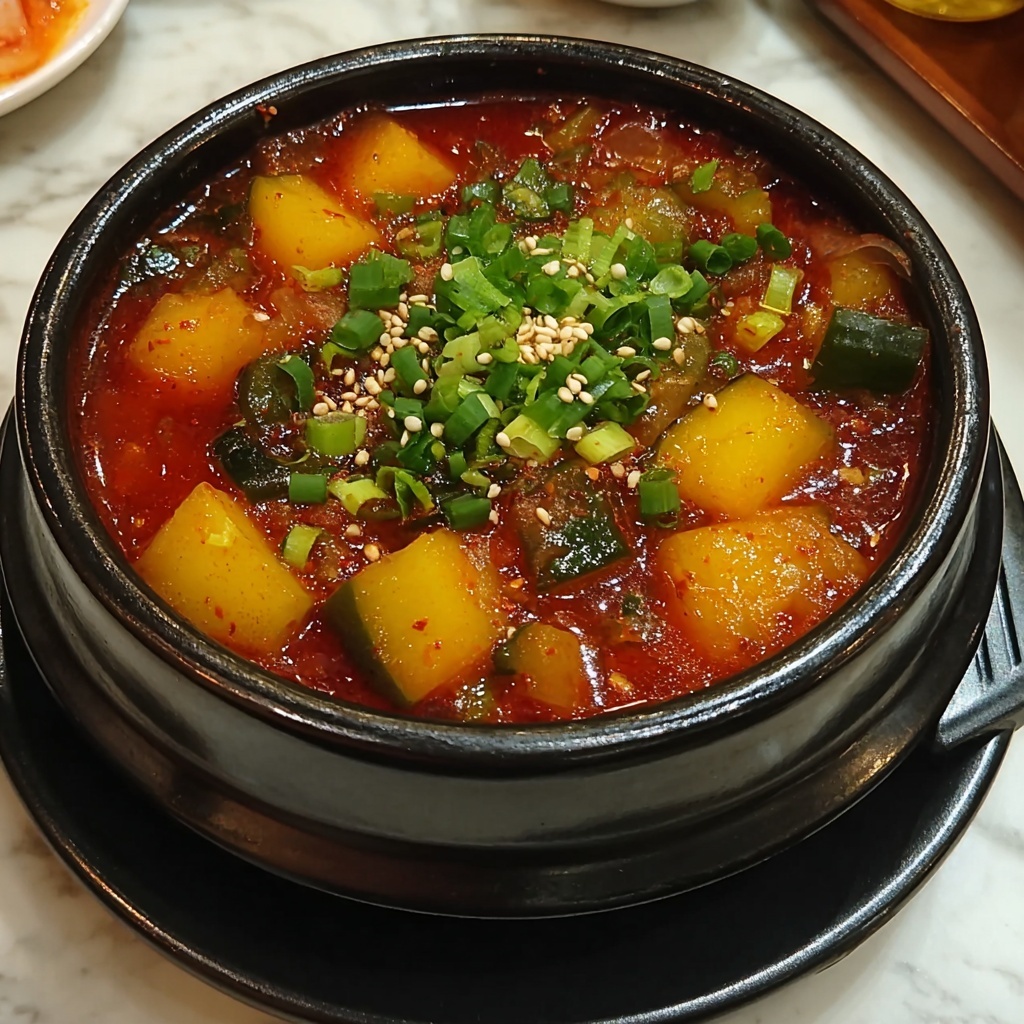
If you are searching for a dish that brings both comfort and rich, complex flavors to your table, the Warm and Nourishing Vegan Soybean Paste Stew (Doenjang-jjigae) Recipe is an absolute must-try. This traditional Korean stew is a heartwarming blend of fermented soybean paste, fresh vegetables, and tofu, creating a dish that feels like a warm hug in a bowl. It’s packed with umami and subtle spice, offering a perfect balance that comforts your soul and energizes your body. Whether you’re a seasoned vegan or simply craving something wholesome and satisfying, this stew never disappoints and comes together beautifully in just about 30 minutes.
Ingredients You’ll Need
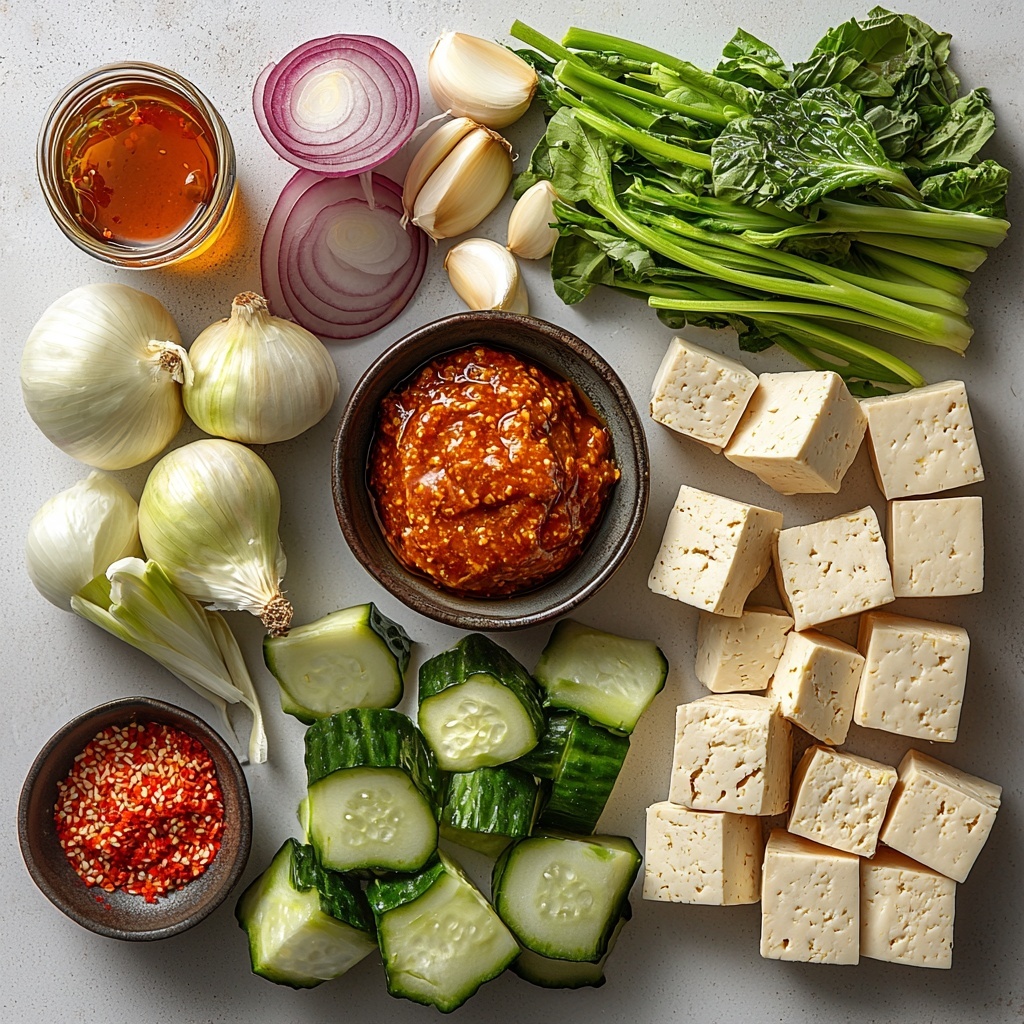
Don’t be fooled by its simplicity—the ingredients for the Warm and Nourishing Vegan Soybean Paste Stew (Doenjang-jjigae) Recipe are all crucial in creating its unique depth of flavor and inviting textures. Each element plays a role, whether it be the earthy mushrooms, the silky tofu, or the subtle heat from the Korean red pepper flakes.
- Water or Vegetable Broth (4 cups): A light, aromatic base that carries the flavors without overpowering them.
- Doenjang (2 tablespoons): The soul of the dish, fermented soybean paste delivers rich, savory umami.
- Gochugaru (1 teaspoon): Adds a gentle spicy kick and beautiful color; adjust depending on your heat preference.
- Garlic (3 cloves): Provides a fragrant sharpness that brightens the stew.
- Ginger (1 piece): Offers a subtle warmth and fresh zing.
- Zucchini (1 medium): Adds tender bite and moisture to soften the stew texture.
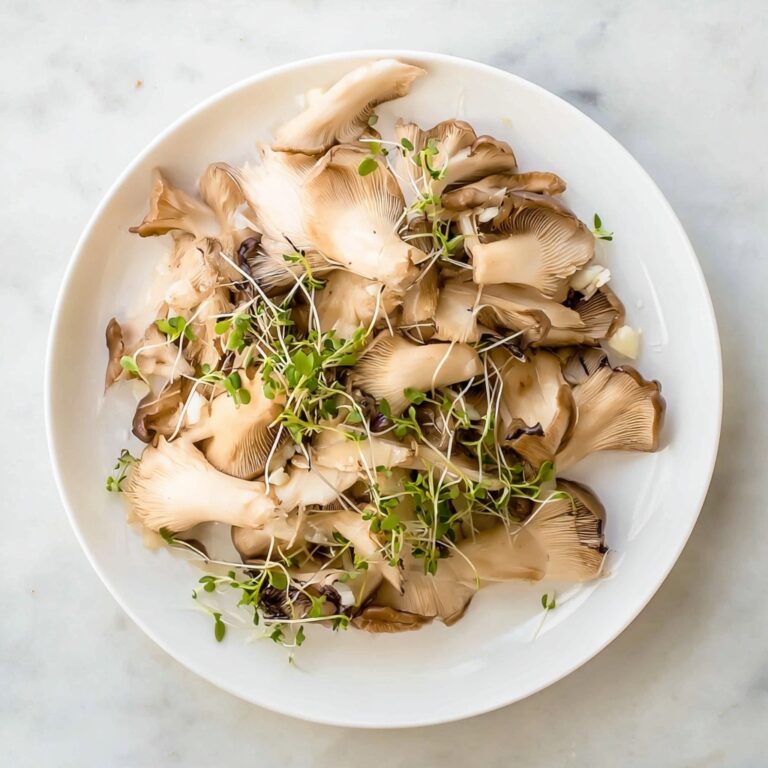
- Mushrooms (1 cup): Bring earthy depth and a meaty texture; shiitake and cremini shine here.
- Korean Radish or Daikon (1 cup): Sweet and crisp, it softens beautifully as it simmers, balancing the flavors.
- Onion (1 medium): Thinly sliced for sweetness that melts into the broth.
- Firm Tofu (14 ounces): The protein star that soaks up all the layered flavors.
- Scallions (2 whole): Fresh and sharp, perfect for garnish and a pop of color.
- Kelp/Dashima (1 piece, optional): Adds a delicate oceanic note, boosting umami naturally.
- Sesame Oil (1 tablespoon): A finishing touch of fragrant richness enhancing every bite.
How to Make Warm and Nourishing Vegan Soybean Paste Stew (Doenjang-jjigae) Recipe
Step 1: Prepare the Broth Base
Start by bringing 4 cups of water or your choice of vegetable broth to a gentle simmer in a medium pot over medium heat. This simmering step takes about 5 minutes and sets the stage for infusing all the lovely ingredients later.
Step 2: Build Flavor with Doenjang and Gochugaru
Whisk in 2 tablespoons of doenjang along with 1 teaspoon of gochugaru. As you stir, watch how the broth deepens to a rich, inviting brown. This process takes 1 to 2 minutes, allowing those complex fermented and slightly spicy notes to bloom.
Step 3: Add Onion and Korean Radish
Next, drop in the thinly sliced onion and cubed Korean radish. Let the stew gently simmer for 5 minutes until the radish softens and becomes beautifully translucent, lending a subtle sweetness and crisp-tender texture that balances the savory broth.
Step 4: Incorporate Zucchini and Mushrooms
Now stir in your zucchini slices and mushrooms, cooking them for an extra 3 to 4 minutes. These veggies soak up the flavors while adding layers of earthiness and fresh texture that keep the stew vibrant and hearty.
Step 5: Fold in Firm Tofu
Gently fold the cubed firm tofu into your stew. Warm it through for 2 minutes, being careful not to break the cubes. The tofu brings a rich protein element and creamy mouthfeel, rounding out this warm and nourishing experience perfectly.
Step 6: Finish with Scallions and Sesame Oil
With the heat off, stir in the freshly sliced scallions and drizzle in a tablespoon of fragrant sesame oil. These finishing touches add brightness and a nutty aroma that make every spoonful irresistible.
How to Serve Warm and Nourishing Vegan Soybean Paste Stew (Doenjang-jjigae) Recipe
Garnishes
To take your stew to the next level, garnish with extra chopped scallions or a sprinkle of toasted sesame seeds. These simple toppings not only make the dish pop visually but also add delightful layers of texture and aroma.
Side Dishes
This stew pairs beautifully with steamed white or brown rice, which soaks up the rich broth like a dream. You might also serve it alongside Korean-style pickled vegetables or kimchi for a tangy, crunchy compliment that cuts through the warmth.
Creative Ways to Present
Serve your Warm and Nourishing Vegan Soybean Paste Stew (Doenjang-jjigae) Recipe in traditional Korean earthenware bowls for an authentic touch that holds heat well. Alternatively, place it in deep ceramic bowls with a side of rice on a wooden tray, adding rustic charm and a cozy vibe that invites lingering over each comforting bite.
Make Ahead and Storage
Storing Leftovers
Leftover stew keeps beautifully in an airtight container in the refrigerator for up to 3 days. The flavors often deepen as the stew rests, making each reheated serving just as enjoyable, if not more.
Freezing
For longer storage, freeze the stew in portioned containers for up to 2 months. Just be sure to cool it completely before freezing and leave some space at the top as it expands. Frozen doenjang-jjigae thaws nicely and retains all its signature hearty flavors.
Reheating
Reheat your stew gently on the stove over medium-low heat, stirring occasionally. Avoid boiling vigorously as tofu can become crumbly. You can add a splash of water or broth if it seems too thick, restoring that perfect stew consistency.
FAQs
Is this stew really vegan?
Yes! This Warm and Nourishing Vegan Soybean Paste Stew (Doenjang-jjigae) Recipe uses no animal products, relying entirely on plant-based ingredients like tofu and vegetables for its rich texture and flavor.
Can I adjust the spice level?
Absolutely. The amount of gochugaru can be easily increased for more heat or reduced if you prefer a mild stew, making this recipe adaptable to all spice tolerances.
What can I substitute if I can’t find Korean radish?
If Korean radish isn’t available, daikon or even regular white radish works well, maintaining the stew’s characteristic crunch that mellows deliciously when cooked.
Can this stew be made gluten-free?
Yes, just ensure that the doenjang and vegetable broth you use are gluten-free, as some brands add wheat-based ingredients. Check labels carefully to keep the recipe gluten-friendly.
What’s the best way to store leftover doenjang paste?
Store doenjang in an airtight container in the refrigerator, where it can last for months. Its flavor may even intensify over time, so feel free to keep it handy for making this rich stew or adding depth to other dishes.
Final Thoughts
This Warm and Nourishing Vegan Soybean Paste Stew (Doenjang-jjigae) Recipe is a sincere invitation to savor Korean culinary culture with each spoonful. Its blend of hearty, comforting ingredients makes it ideal for chilly evenings or anytime you crave a meal that feels both healing and satisfying. I hope you give this soul-satisfying stew a spot on your menu soon—you might just find it becoming a beloved favorite in your household too!
Print
Warm and Nourishing Vegan Soybean Paste Stew (Doenjang-jjigae) Recipe
- Prep Time: 10 minutes
- Cook Time: 20 minutes
- Total Time: 30 minutes
- Yield: 4 servings
- Category: Soup
- Method: Stovetop
- Cuisine: Korean
- Diet: Vegan
Description
Warm and nourishing vegan soybean paste stew, known as Doenjang-jjigae, is a traditional Korean dish made with fermented soybean paste, fresh vegetables, and tofu. This comforting stew is perfect for a wholesome meal, offering rich umami flavors, a slight spiciness, and a healthy boost from nutrient-dense ingredients. This recipe is quick to prepare and suitable for vegan diets, making it an excellent choice for anyone seeking a flavorful plant-based stew.
Ingredients
Broth and Base
- 4 cups Water or Vegetable Broth (Low-sodium options recommended)
- 2 tablespoons Doenjang (Fermented Soybean Paste) (Thick and rich for best flavor)
- 1 teaspoon Gochugaru (Korean Red Pepper Flakes) (Adjust to taste for spice preference)
- 3 cloves Garlic (Minced or granulated)
- 1 piece Ginger (Fresh or ginger powder substitute)
- 1 piece Kelp (Dashima) (Optional)
Vegetables
- 1 medium Zucchini (Can substitute with summer squash)
- 1 cup White or Brown Mushrooms (Shiitake or cremini also work)
- 1 cup Korean Radish or Daikon (Regular radish can be a substitute)
- 1 medium Onion (Thinly sliced)
- 2 whole Scallions (Sliced for garnish)
Protein and Finishing
- 14 ounces Firm Tofu (Cubed)
- 1 tablespoon Sesame Oil (Can substitute with canola oil)
Instructions
- Simmer the broth: Begin by bringing 4 cups of water or vegetable broth to a gentle simmer in a medium-sized pot over medium heat for about 5 minutes.
- Add soybean paste and spices: Whisk in 2 tablespoons of doenjang and 1 teaspoon of gochugaru. Stir until a rich brown color develops, about 1-2 minutes, allowing the flavors to meld.
- Add onion and radish: Add sliced onion and cubed Korean radish to the pot. Simmer for about 5 minutes until the radish becomes translucent and tender.
- Incorporate zucchini and mushrooms: Stir in sliced zucchini and mushrooms; cook for an additional 3-4 minutes to soften and release their flavors.
- Add tofu: Gently fold in cubed firm tofu and warm it through for about 2 minutes without breaking the cubes.
- Finish and serve: Turn off the heat and stir in sliced scallions and a splash of sesame oil to finish the stew. Serve hot for a comforting meal.
Notes
- Adjust gochugaru quantity to modify the spice level to your preference.
- For a deeper flavor, soak the kelp in water beforehand or use a vegetable broth base that includes seaweed.
- Use firm tofu to maintain shape; silken tofu may break apart easily in the stew.
- Substitute ingredients like zucchini with summer squash or use different mushrooms such as shiitake for varied tastes.
- This stew is naturally vegan and gluten-free if you use gluten-free soybean paste.