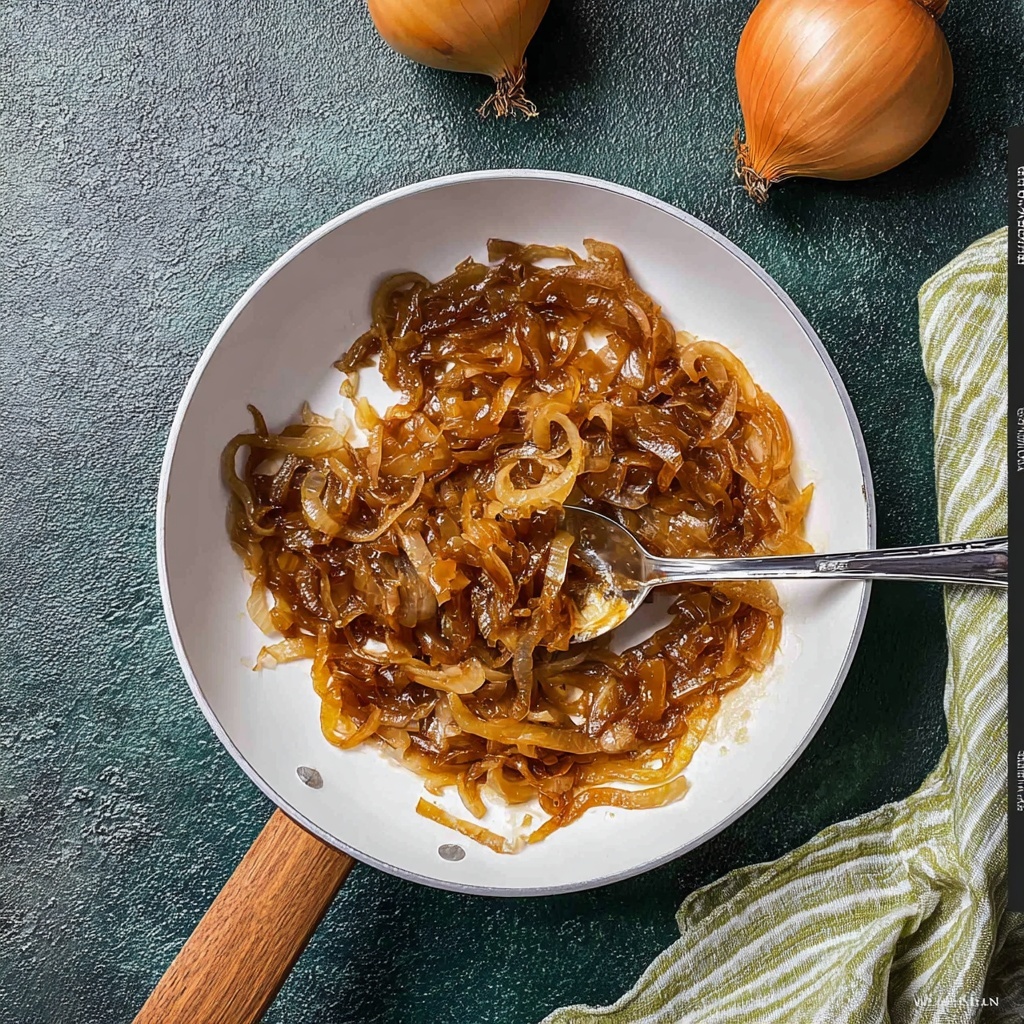
If you have ever wondered how to make caramelized onions recipe that transform simple onions into a golden, sticky, and deeply flavorful masterpiece, you are in the right place. Caramelized onions bring an irresistible sweetness and complexity to almost any dish, from burgers and pizzas to soups and salads. Mastering this technique will elevate your cooking and add a new dimension to your everyday meals, creating that perfect balance of rich, mellow, and slightly sweet flavor that only slow-cooked onions can deliver.
Ingredients You’ll Need
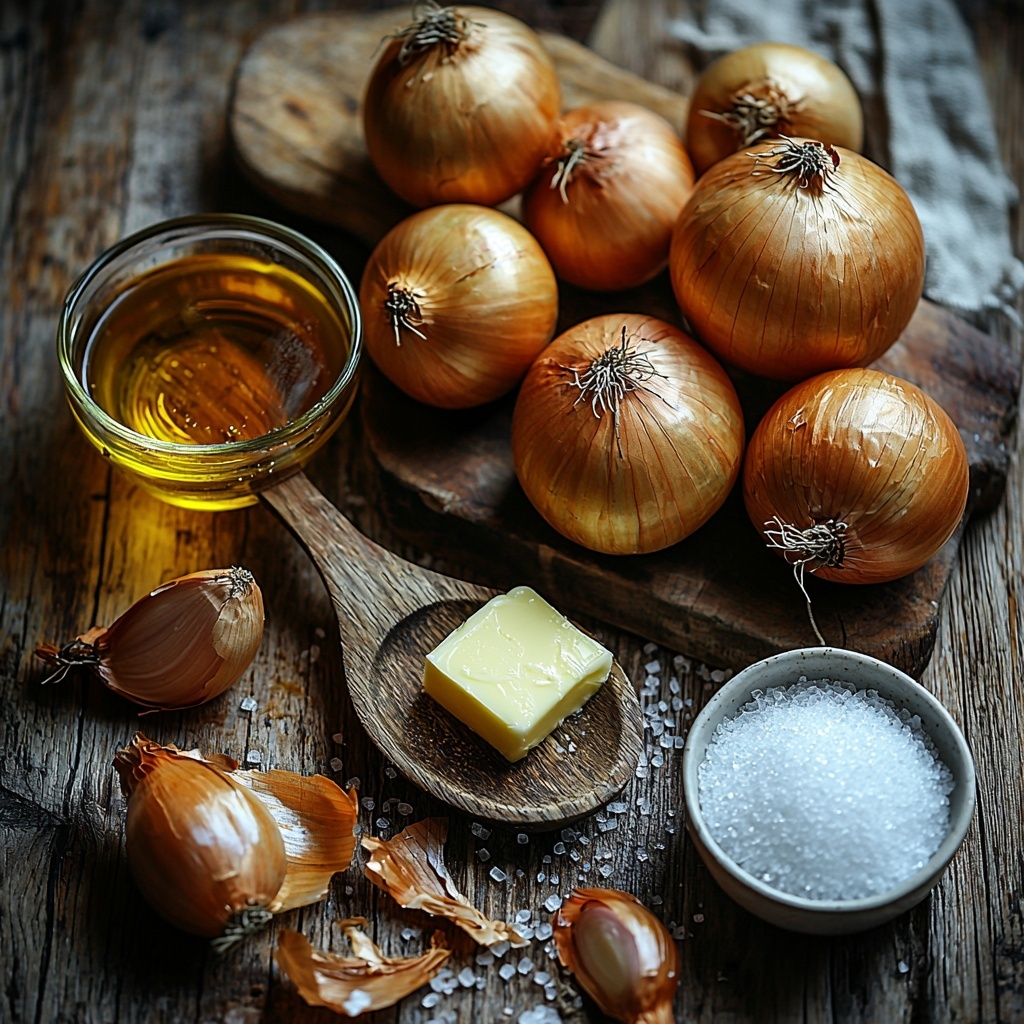
Believe me when I say that the magic of caramelized onions hinges on just a few simple but essential ingredients. Each one plays a key role in achieving the perfect texture, golden color, and deeply developed flavor that make caramelized onions so special.
- 3 large onions: Choose yellow or sweet onions for the best natural sugars and flavor depth in your caramelization.
- 1 tablespoon butter: Adds richness and a silky texture as the onions slowly cook down.
- 1 tablespoon olive oil: Balances the butter and helps prevent burning during the longer cooking process.
- 1 tablespoon sugar: Amplifies the natural sweetness of the onions and speeds up caramelization slightly without overpowering.
How to Make How to Make Caramelized Onions Recipe
Step 1: Preparing the Onions
Start by cutting each onion in half through the stem and root, then carefully slice off the stem end, keeping the root intact for easier slicing. Peel the skin off, and slice thinly from pole to pole. Removing the root at this stage ensures evenly cooked slices. This prep is key to even caramelization, so take your time to get the slices just right—thin enough to cook uniformly but thick enough to maintain some texture.
Step 2: Melting Butter and Oil
In a large saucepan set over medium heat, melt the butter together with the olive oil. The combination of butter and oil not only enriches the onions’ flavor but also increases the cooking temperature threshold so your onions won’t brown too quickly or burn. This stage sets the stage for those luscious, slow-cooked flavors.
Step 3: Adding and Tossing the Onions
Once your butter and oil are shimmering together, add the sliced onions and toss to coat them evenly. This initial sauté will help the onions sweat and begin to release their natural sugars. Keep the heat medium so the onions soften nicely without getting crispy or brown too soon—this is the moment where patience and gentle love truly start to work their magic.
Step 4: Adding Sugar and Lowering Heat
Sprinkle the tablespoon of sugar evenly over the softened onions and then reduce the heat to medium-low. The sugar encourages an even browning and deepens the caramel flavor, giving you those sticky, richly colored onions you’re aiming for. This slow simmer is what transforms ordinary onions into the exceedingly flavorful dish you’ll come to love.
Step 5: The Long Cook and Stir
Now, the waiting game begins but it’s well worth it! Cook the onions for an additional 45 minutes, stirring occasionally to prevent sticking or burning. You want them sticky, soft, and a deep amber brown. The transformation is slow but mesmerizing—trust this process and watch the humble onion turn into a culinary delight.
How to Serve How to Make Caramelized Onions Recipe
Garnishes
Caramelized onions make excellent garnishes that instantly boost dishes with their sweet and savory punch. Sprinkle a spoonful on top of grilled steaks, roasted vegetables, or mashed potatoes. Try adding caramelized onions atop a savory tart or mixed through scrambled eggs for an extra layer of decadence.
Side Dishes
This recipe shines alongside roasted meats, hearty stews, or grain bowls. Their sticky texture and sweet flavor balance savory or spicy foods beautifully. Think of serving caramelized onions with creamy risotto, polenta, or as a topping for burgers and sandwiches to add a burst of flavor and moisture.
Creative Ways to Present
Don’t be afraid to get creative! Use caramelized onions as a pizza topping paired with fresh herbs and tangy goat cheese, fold them into quiche fillings, or mix into creamy dips and spreads. Layering them into grilled cheese sandwiches or stuffing them into savory crepes will win over anyone’s heart. Their versatility means your imagination is your only limit.
Make Ahead and Storage
Storing Leftovers
Once cooled, store any leftover caramelized onions in an airtight container in the refrigerator. They will keep deliciously for up to one week, making them a perfect prep-ahead ingredient to add quick flavor to any meal during your busy week.
Freezing
You can also freeze caramelized onions for longer storage. Portion them into freezer-safe bags or containers, and freeze for up to three months. When you need them, simply thaw in the fridge overnight, and they’re ready to shine in your dishes once again.
Reheating
To reheat, gently warm the onions in a pan over low heat. Stir occasionally until heated through—avoiding microwave reheating helps retain their silky texture and rich flavor. If they seem dry, add a splash of water or a little butter to rejuvenate them.
FAQs
Can I use different types of onions for caramelizing?
Absolutely! While yellow onions are classic for caramelizing due to their balanced sweetness, you can also use white, red, or sweet onions. Each type offers slight variations in flavor and color, but all will benefit from the slow cooking process to bring out their sugars.
Why does it take so long to caramelize onions?
Caramelization is a slow chemical reaction that transforms sugars in the onions, releasing complex deep flavors and golden color. Rushing the process with high heat risks burning rather than caramelizing, so patience really is key for perfect results.
Should I cover the pan while caramelizing onions?
It’s best to leave the pan uncovered or partially covered. This allows moisture to evaporate so onions can brown and caramelize properly instead of steaming and becoming soggy.
Can I skip the sugar in the recipe?
Yes, you can skip the sugar if you prefer. The onions will still caramelize but the sugar speeds up the process and enhances sweetness. Some onions are naturally sweet enough that sugar isn’t necessary.
What if my onions burn during cooking?
If your onions start to stick or burn, reduce the heat and stir more frequently. Adding a splash of water can help loosen any browned bits from the pan without disrupting the caramelization.
Final Thoughts
Now that you know how to make caramelized onions recipe perfectly every time, you have a secret weapon in your culinary toolkit. The sweet, rich, and buttery flavor of caramelized onions elevates so many dishes with just a little time and patience. I encourage you to give these steps a try—your future meals will thank you for it, and you might just find yourself making caramelized onions your new favorite kitchen ritual.
Print
How to Make Caramelized Onions Recipe
- Prep Time: 10 minutes
- Cook Time: 1 hour
- Total Time: 1 hour 10 minutes
- Yield: 2 servings
- Category: Side Dish
- Method: Stovetop
- Cuisine: American
Description
This recipe guides you through the slow and rewarding process of making perfectly caramelized onions with a balanced blend of butter, olive oil, and sugar for enhanced sweetness. The result is rich, sticky, golden-brown onions that add incredible flavor to any dish.
Ingredients
Ingredients
- 3 large onions
- 1 tablespoon butter
- 1 tablespoon olive oil
- 1 tablespoon sugar
Instructions
- Prepare the Onions: Cut the onions in half through the stem and root. Remove the stem end of each half but keep the root intact temporarily to help with slicing. Peel the onions and thinly slice from pole to pole. Then cut off the root ends. Repeat this process with all onions to have evenly sliced onion pieces.
- Start Cooking Onions: In a large saucepan over medium heat, melt the butter and olive oil together. Add the sliced onions and toss them so they are coated evenly in the melted fats. Cook for 10-15 minutes, stirring occasionally, allowing the onions to soften gradually.
- Add Sugar and Reduce Heat: Sprinkle the sugar over the softened onions. Lower the heat to medium-low to allow slow caramelization, which develops their sweet, rich flavor without burning.
- Caramelize Slowly: Continue to cook the onions for an additional 45 minutes, stirring occasionally to prevent burning or sticking. The onions are done when they turn sticky with a deep, rich brown color and have a sweet aroma. Remove from heat and use as desired.
Notes
- Use a heavy-bottomed saucepan to ensure even heat distribution and prevent burning.
- Stir occasionally but not constantly; allow onions to sit and brown for best caramelization.
- If onions stick too much or dry out, add a splash of water to loosen.
- Patience is key: slow cooking ensures maximum flavor development.
- Caramelized onions can be stored in the refrigerator for up to 5 days.