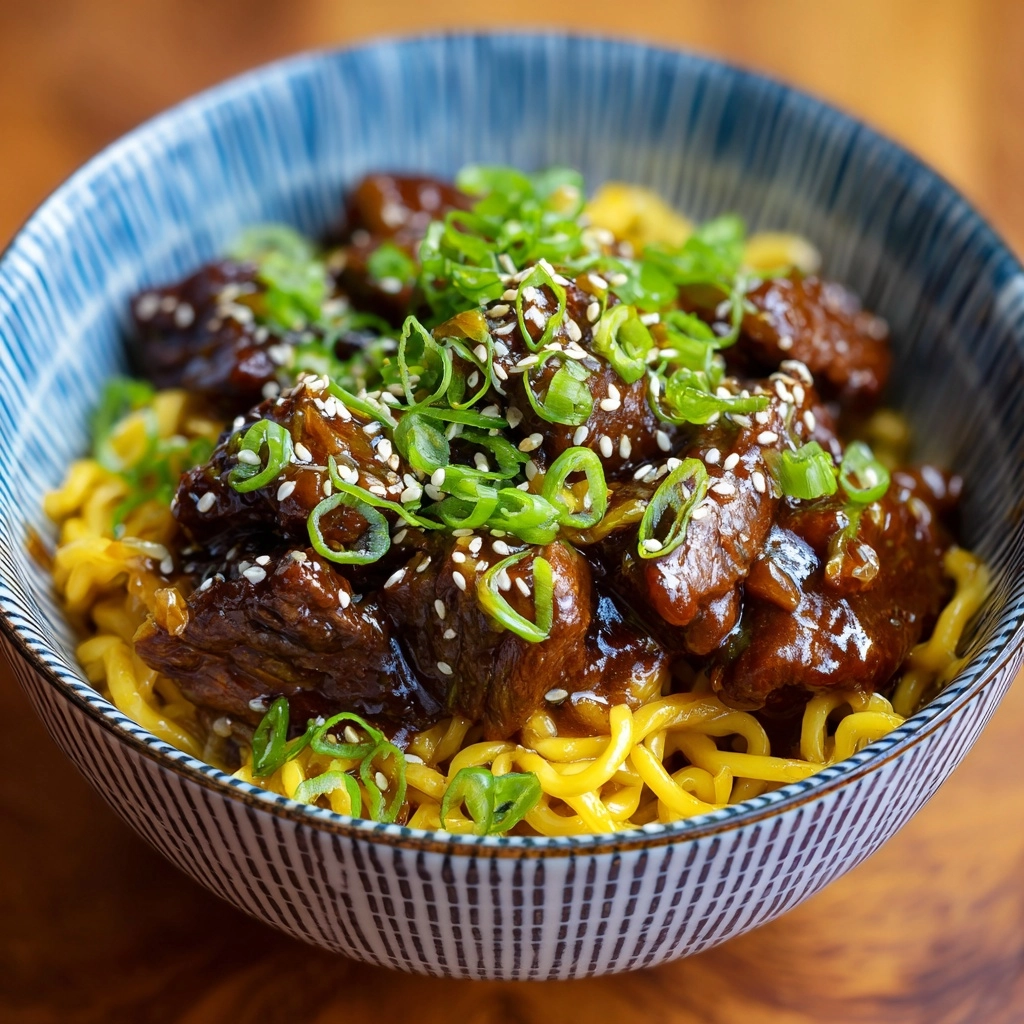
If you’re craving a dish that’s bursting with bold flavors yet surprisingly simple to prepare, the Mongolian Beef and Noodle Recipe is exactly what you need to add some excitement to your dinner table. This recipe perfectly balances tender flank steak coated in a crispy cornstarch crust with a luscious, caramelized sauce full of garlic, ginger, and soy, all tossed with silky noodles that soak up every drop of that incredible flavor. It’s a true crowd-pleaser that delivers the satisfying taste of restaurant-quality stir fry in the comfort of your home kitchen, making it one of my favorite go-to meals for busy weeknights.
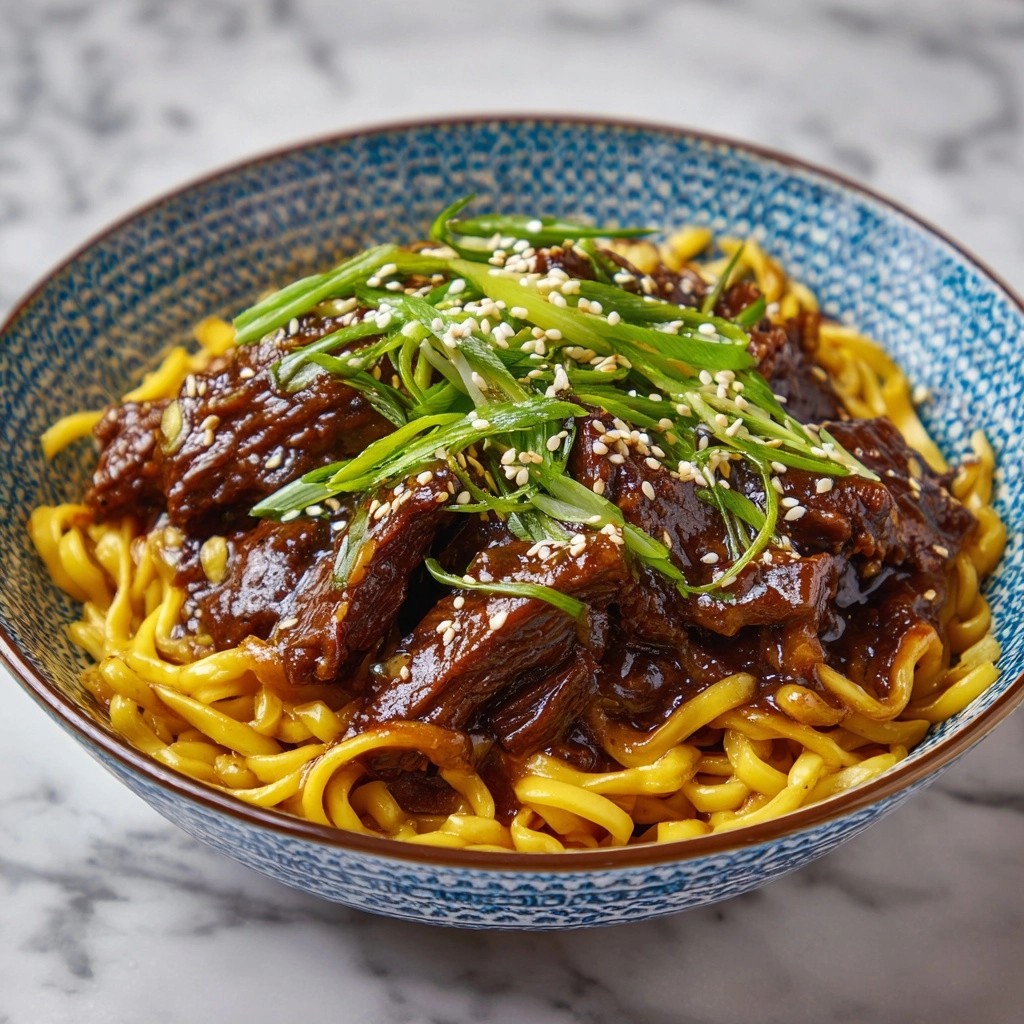
Ingredients You’ll Need
Every ingredient in this Mongolian Beef and Noodle Recipe has a purpose, coming together to create a harmony of textures and tastes. From the tenderizing cornstarch to the aromatic ginger and the rich soy sauce base, each item elevates the dish while keeping it approachable.
- Flank steak (1 pound): Choose a fresh cut and slice thinly against the grain for maximum tenderness.
- Cornstarch (1/4 cup): This crisp coating is the secret to that irresistible, slightly crunchy texture on the beef.
- Vegetable oil (2 tablespoons): A neutral oil ideal for high-heat searing without overpowering other flavors.
- Garlic (3 cloves, minced): Adds a fragrant punch that complements the sweetness of the sauce.
- Fresh ginger (1 tablespoon, minced): Brings a bright, warm note to balance the dish’s richness.
- Low-sodium soy sauce (1/2 cup): The salty and savory backbone, opting for low-sodium helps control the saltiness.
- Brown sugar (1/2 cup): Gives a deep caramel flavor and just the right touch of sweetness.
- Water (1/4 cup): Keeps the sauce simmering gently and perfectly balanced.
- Red pepper flakes (1/2 teaspoon, optional): For those who love a little heat to wake up the palate.
- Lo mein or spaghetti noodles (8 ounces, cooked and drained): Perfect for soaking up the sauce and adding a hearty texture.
- Green onions (4, sliced): Added at the end for a fresh, crisp burst of color and flavor.
- Sesame oil (1 tablespoon): A finishing oil that infuses a nutty aroma and silky smoothness to the dish.
- Sesame seeds (optional): Sprinkled on top for a lovely visual touch and subtle crunch.
How to Make Mongolian Beef and Noodle Recipe
Step 1: Prepare the Beef
Start by tossing your thinly sliced flank steak with cornstarch until every piece is evenly coated. This crucial step ensures that when you sear the beef, it develops a delightful crispiness on the edges while staying juicy inside. Letting it rest for about 10 minutes lets the coating set perfectly before cooking.
Step 2: Sear the Beef
Heat vegetable oil in a large skillet or wok over medium-high heat. Working in batches, add the beef and cook for about 2 to 3 minutes per side until browned and crispy. This quick sear locks in flavor and texture. Once cooked, remove each batch and set aside so they don’t overcook or steam in the pan.
Step 3: Build the Sauce
In the same pan, toss in the minced garlic and ginger, sautéing for a brief 30 seconds until fragrant but not burnt. Then pour in your soy sauce, brown sugar, water, and red pepper flakes if you like a bit of spice. Bring the mixture to a simmer, cooking it until it thickens just slightly and turns glossy, which takes about 2 to 3 minutes. This rich sauce is the heart of the Mongolian Beef and Noodle Recipe.
Step 4: Combine Noodles and Beef
Return the cooked noodles and beef to the skillet, tossing everything to coat it evenly with that incredible sauce. This step brings all the components together, allowing the noodles to soak in the flavors while the beef finishes cooking through.
Step 5: Final Touches
Finish the dish by stirring in sliced green onions and the fragrant sesame oil for a subtle, nutty elevation. Let it cook just another minute or two before removing from heat. If desired, sprinkle sesame seeds on top to impress guests with a little extra texture and a gorgeous finish.
How to Serve Mongolian Beef and Noodle Recipe
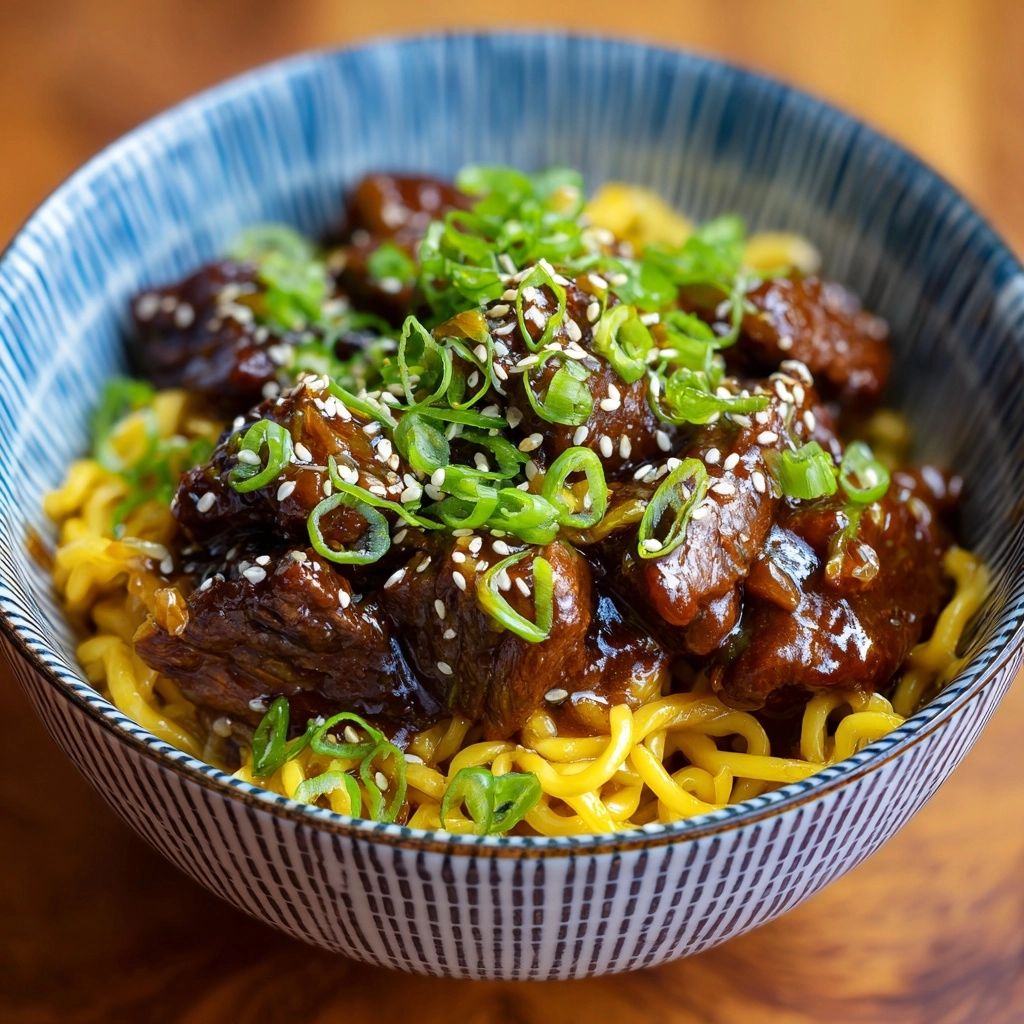
Garnishes
A sprinkle of sesame seeds adds a delightful crunch and visual pop, but fresh green onions are the real superhero here, contributing a bright color and mild oniony zip that cuts through the rich sauce perfectly.
Side Dishes
Pair this dish with simple steamed vegetables like broccoli, bok choy, or snap peas to bring balance with their crisp freshness. A light cucumber salad or some pickled veggies can also add a pleasant contrast in texture and acidity, amplifying your meal experience.
Creative Ways to Present
For a party or special occasion, serve the Mongolian Beef and Noodle Recipe family-style in a large bowl topped with extra green onions and sesame seeds so everyone can dig in. Alternatively, try scooping it onto individual plates with a lime wedge for a tangy twist or place it atop freshly steamed jasmine rice for a hearty variation.
Make Ahead and Storage
Storing Leftovers
This dish keeps wonderfully in the fridge for up to 3 days when stored in an airtight container. The flavors often deepen overnight, making the next-day meal even more satisfying.
Freezing
If you want to save some for later, freeze the cooked Mongolian Beef and Noodle Recipe in a freezer-safe container for up to 2 months. Be sure to cool completely before sealing and freezing to preserve freshness.
Reheating
Reheat gently in a skillet over medium heat, adding a splash of water or broth if the noodles look dry. This will help restore moisture and keep the beef tender without drying out the sauce. Microwave reheating also works but stir halfway through to heat evenly.
FAQs
Can I use a different cut of beef for this recipe?
Absolutely! While flank steak is ideal for its tenderness and thin slicing, you can also use skirt steak or sirloin, just be sure to slice thinly against the grain to keep it tender.
What type of noodles work best in the Mongolian Beef and Noodle Recipe?
Lo mein noodles are traditional, but spaghetti makes a fine substitute if you don’t have Asian noodles on hand. For a gluten-free option, try rice noodles, which will also soak up the sauce beautifully.
Is this recipe spicy?
The dish has a hint of warmth from the optional red pepper flakes, but you can easily adjust the heat level to your preference by adding more, less, or omitting them altogether.
Can I make this recipe vegetarian or vegan?
You can swap the beef for firm tofu or seitan and use tamari instead of soy sauce for a vegetarian or vegan twist. Searing the tofu until crispy will help replicate that satisfying texture.
How can I make the sauce thicker?
If you prefer a thicker sauce, simmer it a little longer until it reduces to your liking, or stir in a cornstarch slurry (cornstarch mixed with water) at the end and cook until glossy and thickened.
Final Thoughts
There’s something truly comforting about a bowl of Mongolian Beef and Noodle Recipe packed with bold flavors and satisfying textures. It’s one of those dishes that feels special but is quick enough to whip up on any night. I can’t wait for you to try it and discover just how rewarding home-cooked Asian-inspired meals can be. Once you do, this recipe will surely become a treasured staple in your kitchen!
Print
Mongolian Beef and Noodle Recipe
- Prep Time: 15 minutes
- Cook Time: 15 minutes
- Total Time: 30 minutes
- Yield: 4 servings
- Category: Main Course
- Method: Stovetop
- Cuisine: Asian
Description
This Mongolian Beef and Noodle Recipe is a flavorful and quick Asian-inspired stir-fry dish featuring tender flank steak coated in a crispy cornstarch crust, tossed with savory garlic-ginger soy sauce and sweet brown sugar, served over perfectly cooked lo mein noodles. It’s a perfect weeknight dinner combining sweet, savory, and slightly spicy notes for a satisfying meal.
Ingredients
Beef and Coating
- 1 pound flank steak, thinly sliced against the grain
- 1/4 cup cornstarch
- 2 tablespoons vegetable oil
Sauce and Flavorings
- 3 cloves garlic, minced
- 1 tablespoon fresh ginger, minced
- 1/2 cup low-sodium soy sauce
- 1/2 cup brown sugar
- 1/4 cup water
- 1/2 teaspoon red pepper flakes (optional)
- 1 tablespoon sesame oil
Noodles and Garnish
- 8 ounces lo mein or spaghetti noodles, cooked and drained
- 4 green onions, sliced
- Sesame seeds for garnish (optional)
Instructions
- Prepare the Beef: In a large bowl, toss the thinly sliced flank steak with cornstarch until evenly coated. Let it rest for 10 minutes, allowing the cornstarch to adhere and create a crispy edge when cooked.
- Cook the Beef: Heat vegetable oil in a large skillet or wok over medium-high heat. Add the beef in batches to avoid overcrowding, searing each side for about 2-3 minutes until the edges are browned and crispy. Remove the cooked beef and set aside on a plate.
- Sauté Aromatics: In the same skillet, add minced garlic and ginger. Sauté for about 30 seconds until fragrant but not burnt, releasing their flavors into the oil.
- Create the Sauce: Add soy sauce, brown sugar, water, and red pepper flakes (if using) to the skillet. Bring the mixture to a simmer and cook for 2-3 minutes until the sauce slightly thickens to a glossy consistency.
- Combine Noodles and Beef: Return the cooked noodles and seared beef back to the skillet. Toss well to coat all components evenly with the sauce.
- Finish with Green Onions and Sesame Oil: Stir in sliced green onions and drizzle sesame oil over the top. Cook together for another 1-2 minutes to blend the flavors and heat everything through.
- Serve: Plate the Mongolian beef and noodle mixture hot. Garnish with sesame seeds if desired for added texture and a nutty flavor.
Notes
- For a gluten-free version, substitute tamari for soy sauce and rice noodles instead of lo mein.
- Adjust the amount of red pepper flakes according to your spice preference.
- Ensure to slice flank steak thinly against the grain for tender bites.
- Cooking beef in batches prevents steaming, ensuring a crispy texture.